

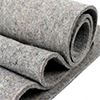
 Medium Felt
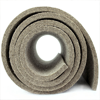 Firm Felt
 Handicraft Felt
 Polishing Felt
Technical Guides, Industrial Felt
A Comprehensive Guide to Industrial Felt

Jul
Introduction
Industrial felt is one of the most versatile engineered materials used across modern manufacturing.
From vibration damping in automotive components to acoustic insulation in buildings and protective padding in packaging, industrial felt offers a unique combination of durability, cushioning, insulation and adaptability.
Available in a wide range of material options, densities and thicknesses, felt can be converted into highly specialised components through processes such as slitting, die-cutting, kiss-cutting, laminating and adhesive coating. These capabilities make felt suitable for countless industrial applications where performance consistency and reliability are essential.
This guide explains everything you need to know about industrial felt, including material types, key properties, common applications and the converting services used to create finished felt components.

What is Industrial Felt
Industrial Felt is a non-woven textile manufactured by compressing fibres together under carefully controlled conditions of heat, moisture, pressure, and mechanical action.
Unlike woven fabrics, felt does not rely on an interlaced structure. Instead fibres are bonded mechanically, thermally or chemically to create a material with consistent thickness and performance characteristics.
Industrial felt is manufactured from a variety of fibre types including:
- Wool
- Polyester
- Polypropylene
- Acrylic
- Aramid fibres
- Recycled fibres
- Blended materials
The selection of material depends on the intended application and required properties such as temperature resistance, durability, cushioning or acoustic performance, along with flame resistance, rot and moth control, and chemical resistance.
The characteristics of felt can be engineered to provide:
- Compression resistance
- Shock absorption
- Lubrication retention
- Thermal insulation
- Acoustic absorption
- Surface Protection
- Filtration of liquids and gases
- Sealing properties
Industrial felt is typically supplied in sheet, strip, roll, washer, pad, disc, gasket, and die-cut component formats available as individual components or kiss-cut on rolls and sheets.

Types of Industrial Felt
Wool Felt
Wool felt remains one of the most widely used industrial felt materials due to its excellent balance of mechanical and physical properties
Key benefits include:
- High resilience
- Excellent compression recovery
- Good wear resistance
- Natural lubrication retention
- Thermal insulation properties
- Excellent sealing characteristics
Wool felt is commonly used for:
- Bearing lubrication pads and strips
- Wipers
- Oil retention systems
- Gaskets
- Seals
- Anti-vibration components
- Packaging
- Acoustic products
- HVAC systems
Because wool fibres naturally contain microscopic scales on their surface, the felting process of moisture and mechanical action raises the scales and lets them interlock with each other. The more they are processed, the more they interlock and the tighter and harder the resulting product becomes.
This helps determine the final characteristics of the product from one being extremely soft and plush to the other extreme of being very hard and non-compressible.
Needle Felt
Needle felt is produced through a mechanical process that entangles fibres using specialised needles.
Predominantly employed in the manufacture of polyester and man made fibre felts, needle felts can offer some specific advantages in certain sectors.
- Large weight range
- High volume production capacity
- Consistent density across the roll
- excellent sound absorption
- Can be further profiled for specific air flow characteristics
- Used widely in filtration
- Can be made from recycled fibres
- Excellent End of Life properties
Typical applications:
- Filtration of liquids and air
- Anti-scratch pads
- Silence tapes in automotive
- Vibration control systems
- Acoustic panels
- Furniture protection
- Packaging
- Craft
- Commercially advantageous to wool felt in certain applications
Blended Felts
Many applications utilise blends of wool and synthetic fibres to achieve a balance of performance and cost.
The majority of industrial felts are blends of wool and viscose in a variety of quantities.
British Standards BS4060:2006 only recognises felt with a minimum of 75% wool content and up to 100%.
Any wool felts that are manufactured to contain less than 75% wool do not meet the criteria of the British Standard.
Blending wool with viscose is not deemed to be detrimental to the general characteristics of the felt but is considered a commercial decision to keep the costs as attractive as possible for the consumer.
It should be noted that the inclusion of non-wool fibres will alter the absorption abilities of the felt by a small margin as wool fibres are hollow, whereas synthetic fibres are solid.
Certain products can be tailored to suit specific requirements:
- Compression needs
- Wear characteristics
- Cost targets
- Environmental conditions
Adhesive-Backed Felt
Adhesive-backed felt combines a felt substrate with a pressure sensitive adhesive, normally in the form of a tape.
Lamination of felt can be achieved in a number of ways from dedicated lamination equipment for volume rolls or in-line on machines dedicated to laminate and cut in multiple operations.
Key benefits include:
- Quick installation of parts
- Reduced assembly time
- Clean cut appearance to parts
- Consistent positioning
- Suitable for automated production
Applications include:
- Anti-scratch pads
- Vibration reducing components
- Acoustic panels
- Furniture protection
- Industrial assemblies
- Automotive silence tapes



Key Properties of Industrial Felt
The popularity of industrial felt stems from its ability to provide multiple performance benefits within a single material.
Vibration Damping
Felt effectively absorbs and dissipates vibration energy, helping reduce component wear and noise generation.
Industries using felt for vibration control include
- Automotive
- Rail
- Aerospace
- Manufactruing
- Machinery production
Acoustic Performance
The fibrous structure of felt helps absorb airborne sound waves and reduce noise transmission
Industrial applications include:
- Machine enclosures
- Office environments
- HVAC systems
- Vehicle interiors
- Building products
- Flooring systems
Thermal Insulation
Many felt materials provide effective thermal insulation by trapping air within their structure.
Benefits include:
- Heat retention
- Energy efficiency
- Protection from temperature fluctuations
- Improved system performance
Abrasion Resistance
Certain grades of industrial felt offer excellent wear resistance and protective qualities.
Examples include:
- Surface protection
- Packaging inserts
- Conveyor systems
- Material handling applications
Cushioning and Protection
Felt provides a soft but durable barrier between surfaces, protecting sensitive parts during manufacture, transportation and use.
Examples include:
- Glass Transport
- Silage trays
- Packaging
- Internal lining
- Bump stops
- Conveyor guides
Industrial Applications of Felt
Automotive Industry
Felt is used extensively throughout modern vehicles.
Applications include
- Interior trim
- Noise reduction systems
- Door panels
- Dashboard compoenents
- Anti-rattle pads
- Sealing solutions
- Seating guides
Manufacturing and Engineering
Engineers frequently specify felt for:
- Vibration isolation
- Surface protection
- Component spacing
- Sealing
- Wear Pads
- Bearings
- Oils and liquid transfer
- Cushioning
Furniture Industry
Felt products help protect furniture and flooring:
Common uses include:
- Self-adhesive pads
- Glides
- Protective strips
- Noise reduction components
- Machine components for sawing and sanding.
HVAC Systems
Felt plays an important role in heating, ventilations and air conditioning systems.
Applications include:
- Air filtration
- Acoustic insulation
- Vibration control
- Equipment protection
Packaging and Transport
Protective felt components can prevent damage during shipping and storage.
examples include:
- Protective inserts
- Equipment packaging
- Instrument protection
- Anti-abrasion layers

Vehicle Production Line

Black Soft Felt
Understanding Industrial Felt Grades
Not all felt materials are created equal.
Felt grades are designed to ensure consistency in density, firmness, thickness tolerance, and performance characteristics.
The correct grade can significantly influence the lifespan and performance of a component.
Soft Felt Grades
Soft Grades provide:
- Excellent conformability
- Cushioning performance
- Surface protection
- Shock absorption
Typical applications include:
- Packaging
- Furniture pads
- Surface protection
- Acoustic products
- Orthopaedic applications
- Curtaining
- Glass cutting bench covering
- Saddlery applications
Medium Felt Grades
Medium-density felts offer a balance between cushioning and wear resistance and are generally considered best-fit for 90% of applications.
Medium grades provide:
- Good conformability
- Good cushioning
- Excellent surface protection
- Good shock absorption
- Tighter controls on thickness tolerance over soft felts
- Excellent thickness range
- Good drape
Typical applications include:
- Bearing lubrication
- Dust and oil seals
- Ink transfer
- Enamelling pads
- Primer application in profile wrapping
- Saddlery panels
- Wiping pads
- Vibration damping
- Gap filling
- End Seals
Firm Felt Grades
Firm density felts are generally considered to be the premium grades in wool felt manufacture as they balance tighter manufacturing tolerances, excellent wear characteristics and much improved stability when cut into components.
Firm grades provide:
- Superior wear resistance
- Excellent dimensional stability
- Better compression resistance in comparison to softer grades
Typical applications include:
- Bearing strips for heavy bearings
- Machinery wipers for greasing and cleaning
- Industrial seals
- Primer applications in profile wrapping lines
- Light polishing and cleaning
- Industrial filtration
- Machine vibration dampers
- Rail carriage restoration
- Seals for rotational shafts particularly high speed.

Medium Grey Felt
Soft Felt Roll
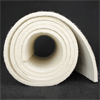
Firm White Felt
Industrial Felt Converting services
Raw felt materials often require additional processing before becoming a finished component.
A specialist converting partner can transform felt into custom parts designed for specific applications.
Felt Slitting
Slitting converts large master rolls into narrower coils with accurate and repeatable widths.
Benefits include:
- Reduced waste
- Improved production efficiency
- Custom roll sizes
- Consistent quality
British Felt provides precision slitting services for a wide range of felt and adhesive coated materials including sponge rubbers and expanded foams.
Learn more about Industrial felt slitting and custom coil widths
Die Cutting
Die cutting allows complex shapes to be produced efficiently and consistently.
British Felt utilises a variety of machines from swing arm presses, flat-bed die cutters to full automation on rotary machines and can provide tailor made solutions for all aspects of component manufacture.
Advantages include:
- Tight tolerances
- High-volume production
- repeatability
- Reduced assembly time
- Reduced scrap
Typical products include:
- Gaskets
- Washers
- Pads
- Discs
- Spacers
- Protective components
- Complex shapes
- Fingerlift parts
- Partial and full adhesive coating

Inline slitting

Adhesive lamination

Cevenini Coil Slitting

Die cut Gasket
Adhesive Coating and Lamination
Many industrial applications require self-adhesive felt components.
Adhesive coating and lamination can offer the following key benefits:
- Easy installation on the production line
- Reliable bonding
- Reduced assembly costs
- Improved production speed
- Tailored range of adhesives to fit many attachment scenarios
British Felt can laminate both on full width master log rolls of material and also in-line during other converting operations.
Release liners can be swapped over and in some cases partial lamination can be applied.
Fingerlift products can be produced on Rotary machines to aid final product use.
More detailed information on Adhesive Lamination can be found by selecting the link.
Why Work With a Specialist Felt Converter?
Choosing an experienced converting partner offers significant advantages.
A specialist supplier can provide:
- Material selection guidance
- Prototyping support
- Precision slitting
- Die cutting services
- Adhesive coating solutions
- Quality assurance
- Consistent production standards
- Unparalleled industry knowledge
For manufacturers and OEMs, working with a trusted converter reduces development time and ensures product consistency throughout the supply chain.

Adhesive Lamination
Frequently Asked Questions
What Industries use industrial felt?
Industrial felt is used in Automotive, aerospace, manufacturing, furniture, packaging, HVAC, electronics and construction sectors.
Can felt be supplied with adhesive?
Yes. Many felt grades can be laminated with pressure sensitive adhesives for easy installation and assembly.
Is Felt suitable for vibration reduction?
Yes. Felt is widely used for vibration damping and noise reduction across industrial and commercial applications.
Can felt be die-cut into custom shapes?
Absolutely. Felt can be die-cut into washers, pads, gaskets, strips and bespoke components with or without an adhesive backing.
Can felt be supplied in custom roll widths?
Yes. Precision slitting services allow felt rolls to be supplied in widths tailored to specific production requirements.

Felt Bird
Partner With British Felt
British Felt has decades of experience supplying and converting industrial felt materials for manufacturers across the UK and beyond.
Our capabilities include:
- Precision Felt Slitting
- The widest range of felt qualities available
- Adhesive backed solutions
- Custom conversion
- Die cutting
- Laminating services
- Accurate Kiss Cutting Solutions
Whether you require a standard felt product or a fully customised engineered solution, our team can help you identify the right material and converting process for your application.
Contact British Felt today to discuss your requirements or request a sample.
