

 Soft Felt
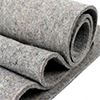 Medium Felt
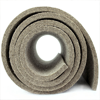 Firm Felt
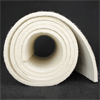 Extra Firm Felt
 Handicraft Felt
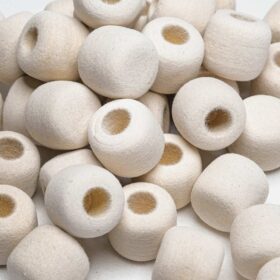 Polishing Felt
Guillotining Felt
Felt, whether natural wool or synthetic, is frequently guillotined to create parts for sound dampening, sealing, and cushioning. The shearing action minimises compression and prevents the fibre “drag” often observed with less precise methods.
Common Felt Applications
|
Application |
Description |
|
Gaskets & Washers |
Perfectly square or rectangular blanks ready for hole punching or secondary die cutting. |
|
Vibration Pads |
Uniform square pieces for isolating machinery and reducing mechanical noise. |
|
Cushioning Inserts |
Precisely sized felt blocks or pads for protective packaging or internal component support. |
|
Wiper Strips |
Rectangular pieces are used in cleaning or lubricating mechanisms. |
Key Feature: Guillotining is excellent for cutting thicker, high-density felts where maintaining the material’s thickness and rigidity is essential.


Common Rubber Applications
Rubber Shims & Spacers: Accurate, thick rubber rectangles used to level or separate parts in construction and manufacturing.
Square Gasket Blanks: Prepared sheets for subsequent waterjet or die-cutting of complex shapes.
Mounting Pads: High load bearing squares or rectangles used for equipment feet and anti-skid surfaces.
Impact Dampeners: Thick, durable rubber blocks cut to exact dimensions for shock absorption.
Key Feature: The strong, single-stroke action of the guillotine blade is effective at overcoming the high tensile strength and elasticity of rubber, delivering a consistently straight cut without the material deforming or pulling.

Technical Specifications & Capabilities
We offer guillotining services for a wide variety of rubber and felt types, ensuring your material meets its exact specification:
- Maximum Thickness: Up to 25mm (1”) for most rubber and high-density felt materials.
- Sheet Sizes: Capable of cutting down from full master sheets (e.g., 36″ x 36″, 48″ x 48″) to your specified dimensions.
- Tolerances: Standard linear tolerances 0.25mm or better, depending on material, durometer and thickness.