

 Soft Felt
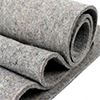 Medium Felt
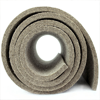 Firm Felt
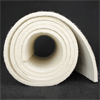 Extra Firm Felt
 Handicraft Felt
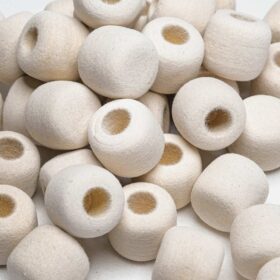 Polishing Felt
Technical Guides, EcoZorb
Acoustic Panels- A Complete Guide to EcoZorb Acoustic Felt

Sep
Modern offices, classrooms and commercial interiors are increasingly designed around hard, durable surfaces such as glass, plasterboard, concrete and timber. While these materials can create attractive contemporary spaces, they also reflect sound.
When sound repeatedly reflects between hard surfaces, reverberation increases. Conversations can become harder to follow, background noise becomes more noticeable and busy spaces can feel acoustically uncomfortable.
Acoustic panels provide a practical way to introduce sound absorption into these environments.
EcoZorb is British Felt Co.’s range of PET acoustic panels, designed to combine effective sound absorption with the flexibility required by architects, interior designers and commercial fit-out specialists.
Manufactured from polyester fibre containing up to 60% post-consumer recycled PET, EcoZorb can be used to create acoustic wall panels, ceiling features, baffles, screens and bespoke decorative installations.
For more information on our Ecozorb PET Acoustic Felt products view our main website page. EcoZorb Acoustic Panels

What Are Acoustic Panels?
Acoustic panels are sound-absorbing materials installed within a room to help control reflected sound.
When sound reaches a hard surface such as glass, concrete or plasterboard, much of the acoustic energy is reflected back into the room. Multiple reflections can increase reverberation and reduce speech clarity.
Introducing absorptive surfaces helps reduce these reflections.
Acoustic panels can therefore form an important part of the acoustic design of:
- offices and meeting rooms;
- classrooms and education spaces;
- restaurants and hospitality interiors;
- reception areas;
- breakout and collaborative spaces;
- public buildings;
- conference rooms;
- commercial fit-outs.
Panels can be installed on walls, suspended from ceilings or incorporated into screens and room dividers depending on the requirements of the project.

Acoustic Panels vs Soundproofing: What Is the Difference?
One of the most common misconceptions surrounding acoustic panels is that they soundproof a room.
They do not.
Acoustic panels primarily control sound reflections within a space.
Soundproofing, or sound insulation, is concerned with preventing sound travelling from one room or building element to another. This normally requires consideration of the complete construction, including walls, floors, ceilings, doors, glazing and junctions.
A simple way to think about the difference is:
Acoustic treatment = controlling sound within the room.
Sound insulation = controlling sound transmission between spaces.
EcoZorb is therefore designed primarily as a sound-absorbing interior material, rather than as a replacement for a tested sound-insulation system.
What Are PET Acoustic Panels?
PET acoustic panels are manufactured from polyester fibres, commonly derived partly from recycled polyethylene terephthalate — the same polymer widely used for drinks bottles and other packaging.
The fibres are formed into a dense but porous felt-like structure.
EcoZorb is manufactured from 100% polyester fibre and contains up to 60% post-consumer recycled PET.
PET acoustic felt can combine several functions within a single product:
- sound absorption;
- interior surface finish;
- colour and texture;
- decorative design;
- CNC-cut detailing;
- wall and ceiling features;
- screens and dividers.

This makes PET acoustic panels particularly useful where acoustic treatment needs to become part of the architectural design rather than simply being added afterwards.
How Do PET Acoustic Panels Work?
PET acoustic panels work through their fibrous structure.
When airborne sound reaches the surface of the panel, some of the sound enters the network of polyester fibres rather than being immediately reflected back into the room.
As air particles move through the small spaces between the fibres, friction converts a proportion of the acoustic energy into very small amounts of heat.
The result is less reflected sound returning to the room.
This can help reduce reverberation and improve the overall acoustic character of the space.
Why Installation Matters
The acoustic performance of a panel does not depend solely on the material itself.
Factors including:
- panel thickness;
- frequency of the sound;
- total area of acoustic treatment;
- position within the room;
- mounting method;
- distance from the supporting surface;
can all influence performance.
For example, a panel fixed directly against a solid wall may behave differently from the same panel installed with an air space behind it.
For acoustically demanding projects, the complete installation should therefore be considered rather than relying solely on a single product rating.

EcoZorb Acoustic Panel Performance
The standard 9 mm EcoZorb acoustic panel has undergone laboratory sound-absorption testing.
The tested configuration achieved:
Weighted sound absorption coefficient: αw 0.60 (M,H)
Sound Absorption Class: C
Testing was carried out to EN ISO 354:2003, with the result rated in accordance with EN ISO 11654:1997.
The tested specimen measured 1220 × 2440 mm and had a thickness of 9 mm.
Selected Sound Absorption Results
|
Frequency |
Measured Sound Absorption Coefficient |
|
250 Hz |
0.28 |
|
500 Hz |
0.60 |
|
1,000 Hz |
0.95 |
|
2,000 Hz |
0.96 |
|
4,000 Hz |
0.94 |
These figures demonstrate why it is important to look beyond a single headline number when specifying acoustic materials.
Sound absorption varies according to frequency.
The figures above are laboratory results for the tested EcoZorb configuration. They should not be interpreted as a guarantee that every completed room will achieve a particular reverberation time or reduction in noise level.
Room size, furnishings, surface finishes, occupancy, panel coverage and installation method all influence the final acoustic environment.
What Does Sound Absorption Class C Mean?
Sound absorption classifications provide a convenient way of comparing absorptive materials.
EcoZorb’s tested 9 mm configuration achieved an αw of 0.60 and Sound Absorption Class C.
However, the classification applies to the tested product configuration — it is not an acoustic classification for the completed room.
For projects with defined acoustic requirements, the quantity and positioning of acoustic treatment should be considered alongside:
- room volume;
- ceiling height;
- existing absorptive surfaces;
- glazing;
- furniture;
- occupancy;
- intended use of the space;
- required reverberation time.
-
Where acoustic performance is critical, an acoustic consultant should determine the appropriate treatment.
British Felt pdf Document detailing specific tests
Where Can EcoZorb Acoustic Panels Be Used?
The versatility of PET felt allows EcoZorb to be incorporated into many different interior environments.
Acoustic Panels for Offices
Modern workplaces frequently contain large areas of glass, plasterboard and other reflective materials.
EcoZorb can be considered for:
- open-plan offices;
- meeting rooms;
- conference rooms;
- reception areas;
- breakout spaces;
- collaborative working areas;
- desk screens;
- room dividers.
Acoustic treatment can be incorporated into walls and ceilings or used to create standalone design features.
This allows architects and workplace designers to consider acoustics alongside colour, furniture and interior finishes.
Acoustic Panels for Schools and Education
Managing reverberation is particularly important in environments where speech communication is central to the use of the room.
Potential EcoZorb applications include:
- classrooms;
- libraries;
- meeting rooms;
- learning spaces;
- corridors;
- dining areas;
- breakout areas.
Education projects should be designed against the relevant room-acoustic requirements, including Building Bulletin 93 (BB93) where applicable.
Selecting an acoustic panel with a particular absorption classification does not, by itself, demonstrate that a completed classroom or learning environment will comply with BB93.
The complete room design must be considered.
Acoustic Panels for Commercial Interiors
EcoZorb can also be incorporated into a wide range of commercial environments, including:
- restaurants;
- reception areas;
- meeting spaces;
- public buildings;
- hospitality interiors;
- retail environments;
- conference facilities.
Acoustic wall panels and ceiling treatments can be positioned around glazing, doors, lighting, ventilation systems and other building services, giving designers considerable flexibility when developing an acoustic scheme.
Acoustic Wall Panels
One of the simplest ways to introduce sound absorption into an existing interior is through acoustic wall panels.
EcoZorb can be installed as individual panels, larger wall features or decorative arrangements.
Wall-mounted acoustic panels are particularly useful where ceiling space is restricted by lighting, ventilation or other services.
They can also become a deliberate part of the interior design.
Rather than hiding acoustic treatment, designers can use colour, shape, pattern and texture to create a visible architectural feature.

Acoustic Ceiling Panels and Baffles
Ceilings provide another valuable area for acoustic treatment.
EcoZorb can be incorporated into suspended acoustic features and ceiling baffles, allowing sound absorption to be introduced without occupying usable wall space.
This can be particularly useful in:
- open-plan offices;
- meeting areas;
- restaurants;
- education spaces;
- interiors with extensive glazing.
Suspended elements can also become a strong visual feature within the room.
The suspension system, structural attachment and fire strategy should always be considered as part of the overall installation.
Desk Screens and Acoustic Dividers
PET acoustic felt can also be used to create screens and dividers.
These may include:
- desk-mounted screens;
- freestanding dividers;
- workstation partitions;
- room-dividing features.
This provides another way of introducing absorptive material into open-plan environments while simultaneously helping define different areas within the space.
Bespoke Acoustic Panel Design
Acoustic treatment does not have to consist of plain rectangular panels.
One of the advantages of EcoZorb is its suitability for further fabrication.
British Felt can discuss a range of converting options, including:
- cut-to-size acoustic panels;
- CNC-cut shapes;
- geometric designs;
- V-grooved patterns;
- bevelled edges;
- decorative features;
- printed designs.
This allows acoustic treatment to become part of the architectural language of the interior.
Geometric patterns, repeated shapes and grooved surfaces can transform a functional acoustic material into a distinctive design feature.
British Felt’s CNC knife-cutting capability also allows components to be produced from drawings, CAD information or suitable original samples.
For repeat projects, approved profiles can be retained to help maintain consistency between production runs.
Recycled PET Acoustic Panels
Sustainability is increasingly important when specifying materials for commercial interiors.
EcoZorb is manufactured from 100% polyester fibre and contains up to 60% post-consumer recycled PET.
The material contains no chemical binders, including formaldehyde.

Using recycled PET helps provide a useful second application for material that may otherwise enter the waste stream while creating a durable interior product.
Can PET Acoustic Panels Be Recycled?
Uncontaminated PET material may potentially be reused or directed into an appropriate PET recycling stream at the end of its useful life.
However, recyclability should always be considered in the context of the complete installation.
Factors such as:
- adhesives;
- mechanical fixings;
- contamination;
- coatings;
- other attached materials;
can affect the available recycling route.

Architects and contractors seeking to incorporate circular-design principles should therefore consider how the panels will eventually be removed as well as how they will initially be installed.
Local recycling facilities should also be consulted to confirm acceptance.
EcoZorb Fire Classification
Fire performance is an important consideration when specifying materials for commercial interiors.
EcoZorb has achieved a C-s2,d0 reaction-to-fire classification under BS EN 13501-1:2018 for the configuration covered by the relevant classification report.
The classification can be broadly understood as:
- C — the product’s contribution to fire development under the relevant test conditions;
- s2 — moderate smoke production;
- d0 — no flaming droplets or particles under the classification test conditions.
It is important to distinguish reaction to fire from fire resistance.
EcoZorb should not simply be described as “fireproof”.
The C-s2,d0 classification relates to the tested configuration and does not automatically approve every possible combination of panel, adhesive, fixing, substrate or installation method.
For projects where fire performance forms part of the specification, the complete classification documentation should be reviewed against the proposed installation.
The responsible fire designer, building-control professional or other competent project authority should confirm suitability.
EcoZorb Colours and Interior Design
Acoustic performance does not mean compromising on interior design.
EcoZorb is available in a broad palette covering neutral, natural and more vibrant colours, allowing acoustic treatment to complement the wider interior scheme.
Panels can be used to:
- blend into surrounding finishes;
- create contrasting feature walls;
- introduce corporate colours;
- define different workplace zones;
- create geometric patterns;
- add texture to otherwise hard interiors.
Because recycled materials can exhibit slight variation between production batches, projects requiring close colour consistency should ideally be ordered together.
Physical samples should also be approved before final specification.
When installing adjacent panels, the direction of the surface nap should be kept consistent to maintain a uniform appearance.
EcoZorb Acoustic Panel Sizes
The standard EcoZorb panel is:
2440 × 1220 × 9 mm
A 12 mm thickness may also be available on request.
Where acoustic performance data is required for a particular thickness or installation configuration, the relevant supporting technical documentation should be checked rather than assuming that test results from one panel thickness automatically apply to another.
Installing EcoZorb Acoustic Panels
EcoZorb can be incorporated into several installation concepts.
Direct-Fixed Acoustic Wall Panels
Panels can be installed against a suitable flat wall surface where a shallow overall build-up is required.
Acoustic Panels with an Air Space
Panels may also be mounted away from the supporting surface using an appropriate batten or framing arrangement.
Introducing an air space can influence acoustic behaviour, so the proposed construction should be considered as part of the acoustic design.
Suspended Ceiling Baffles
EcoZorb can be incorporated into suspended acoustic features where ceiling treatment is preferred.
Screens and Dividers
The material can also be used within desk screens, freestanding dividers and other interior acoustic elements.
Choosing the Correct Fixing Method
The final installation method should take account of:
- substrate;
- panel dimensions;
- panel weight;
- access requirements;
- fire strategy;
- acoustic requirements;
- maintenance;
- future removal.
-
Adhesives, mechanical fixings, suspension components and backing materials should be checked for compatibility with the proposed installation.
For larger or acoustically critical projects, the required panel area and mounting arrangement should be determined as part of the overall acoustic design.
Cleaning and Maintaining PET Acoustic Panels
EcoZorb requires relatively straightforward routine maintenance.
Loose surface dust can normally be removed using a vacuum cleaner.
For light marks:
- Gently dab the affected area with a damp sponge and clean water.
- Avoid aggressive rubbing, which may disturb the visible surface nap.
- If necessary, gently dab the area afterwards with a clean dry cloth.
Where water alone is insufficient, a suitable synthetic-carpet or upholstery cleaner may be considered.
Always test cleaning products on a small, inconspicuous area first.
Unused sheets should be stored flat, off the floor and in a cool, dry environment away from excessive heat, moisture, direct sunlight and open flames.
How to Specify EcoZorb Acoustic Panels
Providing clear project information at the beginning of an enquiry can make specification and quotation considerably easier.
Useful information includes:
- room type and intended use;
- approximate area requiring treatment;
- wall, ceiling, baffle or divider configuration;
- required panel thickness;
- sheet or finished-component dimensions;
- colour;
- edge finish;
- CNC cutting requirements;
- grooves or bevels;
- printing requirements;
- substrate;
- proposed fixing method;
- acoustic target;
- relevant fire requirements;
- drawings or CAD files;
- project quantity.
Where the project has defined acoustic criteria, details from the acoustic consultant should also be provided.
This allows the acoustic material, panel area and installation concept to be considered together.

Frequently Asked Questions About Acoustic Panels
Do acoustic panels soundproof a room?
No. Acoustic panels primarily absorb reflected sound within a room, helping control echo and reverberation.
Preventing sound travelling between rooms requires a sound-insulation strategy addressing the complete building construction.
What acoustic rating does 9 mm EcoZorb achieve?
The tested 9 mm EcoZorb configuration achieved:
αw 0.60 (M,H)
Sound Absorption Class C
The product was tested to EN ISO 354:2003 and rated in accordance with EN ISO 11654:1997.
Are PET acoustic panels suitable for offices?
Yes. PET acoustic panels can be incorporated into office walls, ceilings, screens, meeting rooms, breakout areas and other workplace environments.
The quantity and positioning required will depend on the acoustic characteristics of the individual space.
Can EcoZorb acoustic panels be used in schools?
EcoZorb can be considered for classrooms and other education environments.
Where Building Bulletin 93 applies, the complete room should be designed to meet the relevant acoustic criteria rather than relying solely on the absorption classification of an individual product.
Can EcoZorb be installed on ceilings?
Yes. EcoZorb can be incorporated into suspended ceiling baffles and other acoustic ceiling features.
The suspension method, structural attachment and fire requirements should be assessed for the individual project.
Is EcoZorb made from recycled plastic?
EcoZorb is manufactured from 100% polyester fibre and contains up to 60% post-consumer recycled PET.
Can EcoZorb acoustic panels be cut into bespoke shapes?
Yes.
British Felt can discuss cut-to-size panels, CNC-cut shapes, V-grooves, bevelled edges and other bespoke designs.
Components can be developed from suitable drawings, CAD information or samples.
Is EcoZorb fireproof?
EcoZorb should not be described as fireproof.
It has achieved a C-s2,d0 reaction-to-fire classification for the tested configuration.
The complete classification documentation should be reviewed when assessing suitability for a particular project.
How many acoustic panels does a room need?
There is no universal answer.
The amount of acoustic treatment required depends on factors including:
- room dimensions;
- room volume;
- existing surface finishes;
- glazing;
- furniture;
- occupancy;
- intended use;
- mounting arrangement;
- required reverberation time.
For projects with defined acoustic-performance requirements, the required treatment should be calculated by a suitably qualified acoustic consultant.
Designing Better Acoustic Spaces with EcoZorb
Good acoustic design is about more than simply adding panels to a wall.
The most successful projects consider acoustics alongside architecture, interior finishes, lighting, furniture and building services from the beginning.
EcoZorb provides architects, interior designers and fit-out specialists with a versatile PET acoustic panel material that can combine sound absorption with colour, texture and bespoke fabrication.
From simple acoustic wall panels to CNC-cut feature walls, suspended ceiling baffles and workspace dividers, EcoZorb can be adapted to suit a wide range of commercial and education interiors.
With tested Class C sound absorption for the 9 mm configuration, C-s2,d0 reaction-to-fire classification for the tested configuration, up to 60% post-consumer recycled PET content and British Felt’s in-house converting capabilities, EcoZorb provides a flexible starting point for projects where acoustic performance and interior design need to work together.
Discuss Your EcoZorb Acoustic Panel Project
Whether you require full sheets, cut-to-size acoustic panels or a completely bespoke design, British Felt Co. can help you develop the right EcoZorb solution for your project.
Send us your drawings, CAD files, required dimensions, colour preferences and acoustic requirements, and our team can discuss the available manufacturing and converting options.
Contact British Felt Co. to request EcoZorb samples, technical documentation or a quotation for your next acoustic project.
EcoZorb Colour Options
EcoZorb PET Acoustic Panels are available in a wide range of colours suitable for offices, schools, hospitality venues and commercial interiors. Select a colour below to view an enlarged sample of the felt texture.


Row 1: Neutrals
- White
- Light Grey
- Grey Mottled
- Stone
- Stone Mottled
- Taupe
Row 2: Dark Neutrals & Greens
- Dark Grey
- Black
- Sage Mottled
- Olive
- Green
- Jade Mottled
Row 3: Greens & Blues
- Dark Green Mottled
- Light Blue
- Sky Blue Mottled
- Dark Blue
- Navy Mottled
- Denim Mottled
Row 4: Warm Colours
- Yellow
- Mustard
- Orange
- Red
- Tan Mottled
- Purple
Row 5: Feature Colours
- Lavender
- Lilac